


NASW-CA June Policy & Legislative Update Legislative & Budget Advocacy
This month, NASW-CA continued advancing legislation at the Capitol focused on strengthening the social work profession, expanding behavioral health access, and supporting California’s most vulnerable communities. Across multiple committee hearings, NASW-CA elevated the voice of social workers and emphasized the importance of workforce investment, equitable care delivery, and strong public systems.
A key development this legislative cycle was the continued support and preservation of the Title IV-E Bachelor of Social Work and Master of Social Work Stipend Program through the passage of AB 109, the Budget Act. The final budget includes $18.4 million in General Fund support along with $4.5 million in Behavioral Health Services Act (BHSA) Behavioral Health Workforce Initiative funds redirected from the HCAI workforce initiative. These resources will help sustain current and incoming students in social work education programs and maintain a critical pipeline into California’s public behavioral health workforce.
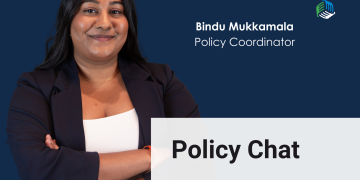
Throughout the month, Bindu Mukkamala, the chapter’s Policy Manager, represented NASW-CA in person at several key committee hearings at the State Capitol, advocating for legislation aligned with the profession’s priorities and values.
Bills supported in Assembly Committee on Human Services:
• SB 479 (Arregufn) -Homeless adult and family multidisciplinary personnel teams.
• SB 1051 (Menjivar) -Foster care: childcare.
• SB 1025 (Hurtado) -Office of Food Security and Affordability.
• SB 1030 (Smallwood-Cuevas) -CalWORKs: unrelated adult male.
• SB 1077 (Gonzalez) – CalFresh: federal government shutdowns.
• SB 1194 (Caballero) -Immigration Legal Fellowship Project.
• SB 1201 (McNerney) – CalFresh: veteran eligibility.
Bills supported in Assembly Committee on Education:
• SB 608 (Menjivar) -Sexual health.
• SB 998 (Gonzalez) – Educational equity: discrimination prevention coordinators.
• SB 945 (Weber-Pierson) -School curriculum: physical education framework: cardiopulmonary resuscitation: automated external defibrillators.
• SB 1058 (McNerney) -School districts: contracting: purchases for child nutrition programs.
• SB 1133 (Strickland) – Pupil instruction: preventative health instruction.
Bills supported in Assembly Committee on Business and Professions:
• SB 993 (Ochoa Bogh) – Board of Behavioral Sciences: licensees: notices.
Bills Supported in Senate Committee on Emergency Management:
• AB 1540 (Gonzalez) -988 Suicide & Crisis Lifeline: LGBTQ+ youth.
• AB 1805 (Ransom) – Emergency services: State 911 Advisory Board.
• AB 1836 (Gabriel) -California State Nonprofit Security Grant Program.
NASW-CA remains committed to elevating the social work voice in the Capitol and advancing policies that strengthen the behavioral health workforce, improve access to care, and ensure equitable systems that support the well-being of communities across California.
Member Input Requested: Behavioral Health Financing Reform
In addition to its legislative advocacy efforts, NASW-CA is helping shape statewide policy discussions on the future of California’s behavioral health system. Through a series of convenings hosted by the Steinberg Institute in partnership with West Health and The Kennedy Forum, behavioral health leaders from across the public and private sectors are coming together to inform policy recommendations for California’s next Governor.
These conversations focus on critical issues affecting care delivery, including the use of treatment data, financing and reimbursement structures, integrated care, and strategies to improve patient outcomes. Our Associate Executive Director, Dr. Jasmine Smith, DSW, LCSW, represented the NASW-CA in these discussions, ensuring that the social work perspective is reflected in conversations about the future of behavioral health care in California.
As the coalition prepares its next convening on behavioral health financing and payment reform, NASW-CA is seeking feedback from members to help inform our participation and recommendations. Your insights and experiences are critical to helping policymakers understand how financing and payment systems affect access to care, care coordination, service delivery, and patient outcomes.
We invite you to complete our brief survey and share your perspectives on priorities for behavioral health financing reform in California.
Take the survey here: https://www.surveymonkey.com/r/WJK05X7
